Inside the commentary booth
How the Little Engines commentary booth calls a race it has never seen before: two voices, 22,000+ recorded lines and a race that is never scripted.
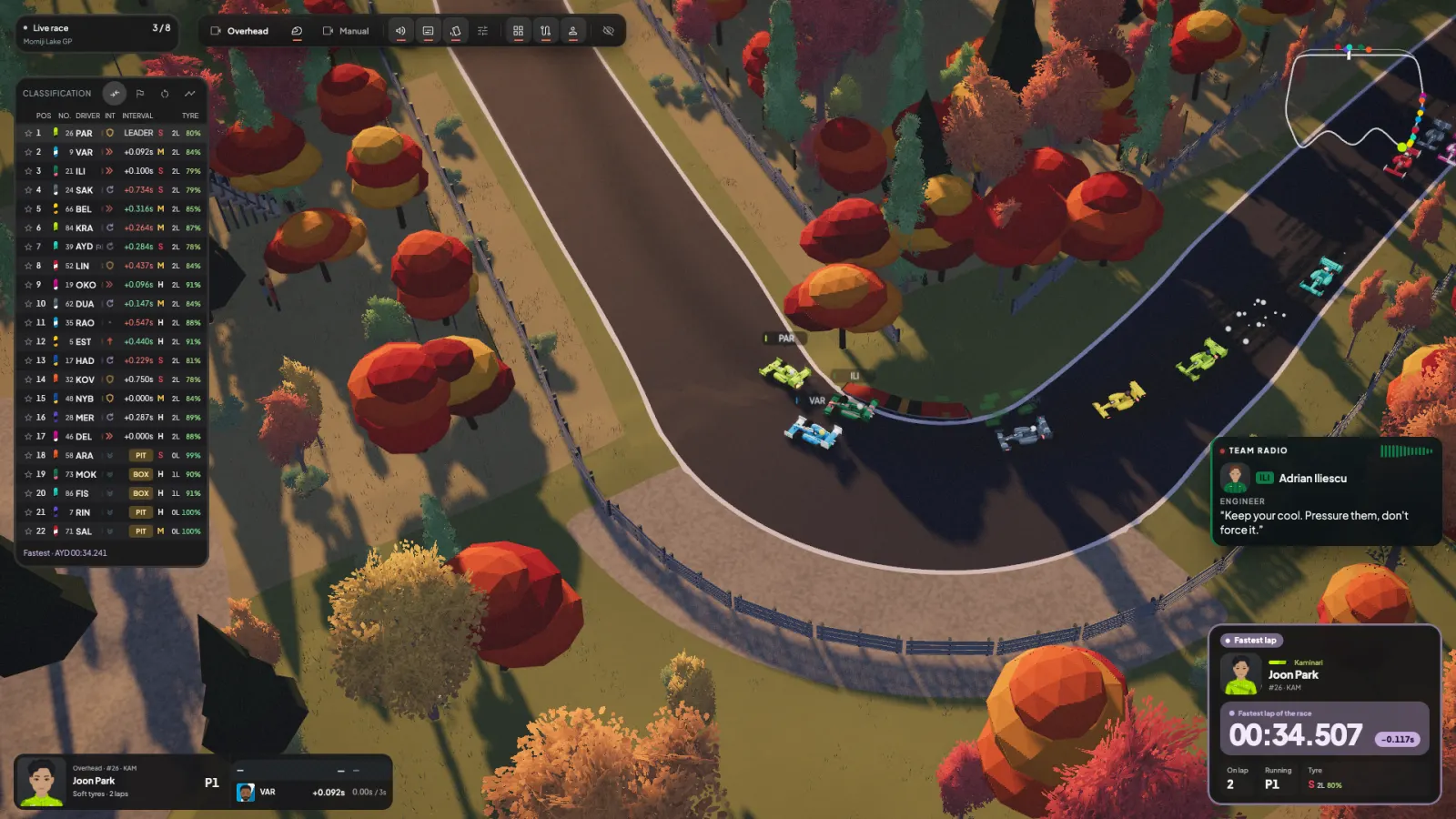
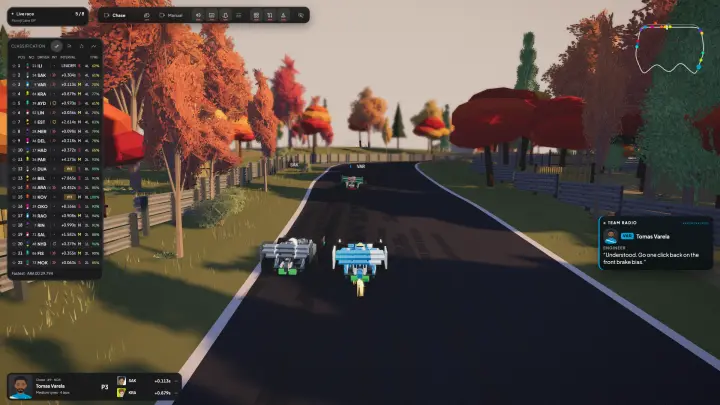
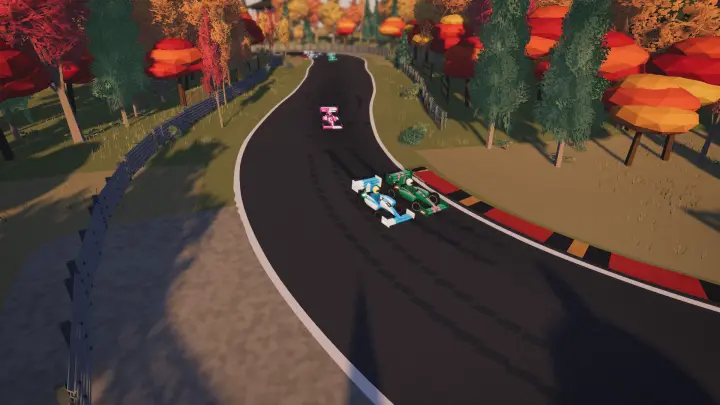
In most racing games the commentary is set dressing. In Little Engines it does a lot of the work. You aren't driving, so the booth is how much of the race's story reaches you: who is closing, who is struggling on old tyres, and what a result means for the title.
Two voices, two jobs
The booth has two commentators. The lead does the play-by-play: the lunge into the hairpin, the lock-up, the car that is suddenly right on someone's gearbox. The analyst adds the colour and the strategy: why a driver pitted early, what the gap needs to be, how one mistake can change the whole order.
Called live, not scripted
Nothing in a Little Engines race is scripted, so the commentary can't be either. The booth follows the race as it happens and picks its lines from a library of more than 22,000 recorded sentences. It covers overtakes, near misses, pit stops, weather, tyre calls and, late in a season, the championship maths.
“Catching is one thing; getting past is quite another.”
Between calls you'll hear team radio from the pit wall and the drivers. It adds to the commentary rather than talking over it.
Your names, said out loud
The Paddock lets you rename any driver or team. When you do, the booth learns to say the new names, so the grid you build is the grid you hear called.
You can hear a handful of lines from the booth on the home page, or watch it work over a full race in the trailer.